
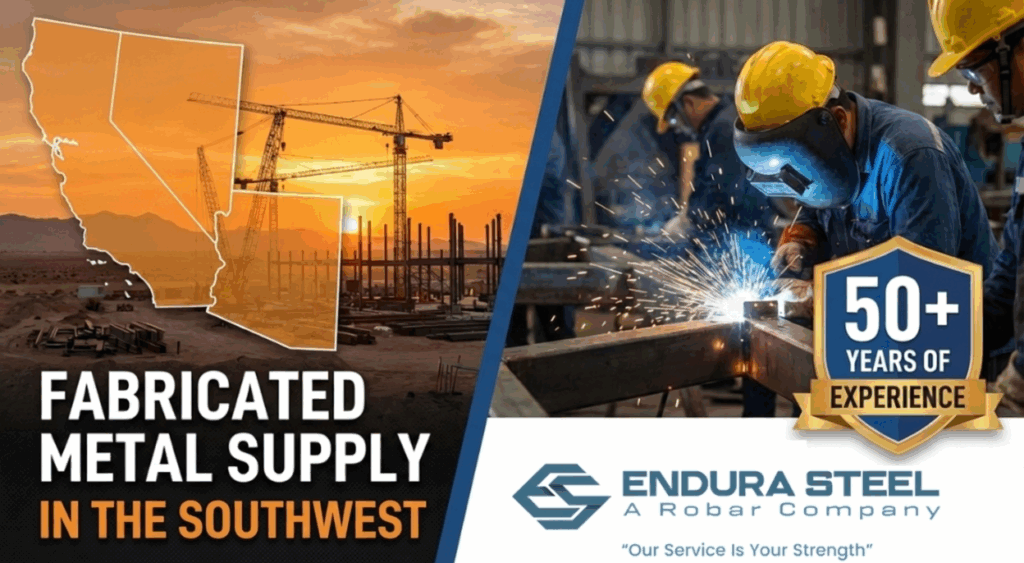
You’re three days from pouring concrete, and the rebar supplier just called. Half your order is cut wrong, the other half won’t arrive until next week, and now your crew sits idle while you scramble for alternatives. This is exactly when you need a reliable metal fabrication partner that delivers precision-cut materials on time, every time, across California, Arizona, and Nevada.
These aren’t minor inconveniences. When materials arrive late, cut incorrectly, or require extensive field modification, you’re looking at real money walking out the door. Idle crews cost $500 to $2,000 per day, depending on size. Rework adds 15%-20% to labor budgets. Project delays trigger penalty clauses and damage your reputation with general contractors who won’t call you back.
The root problem isn’t always the material itself. It’s working with suppliers who treat fabricated metal as a commodity transaction rather than understanding it as a critical component of your project timeline. They don’t grasp that “close enough” cuts aren’t acceptable when you’re bolting structural connections, or that delivering rebar a day late means rescheduling concrete trucks and extending your critical path.
In this guide, you’ll learn how to identify and work with professional metal fabrication providers in the Southwest. We’ll show you what separates suppliers who understand construction realities from those who just move product, how to avoid the common pitfalls that lead to delays and cost overruns, and what to expect from fabrication services that actually make your crew’s job easier instead of harder.
The Right Materials for Every Southwest Job
Every project has its own demands. Structural support, corrosion resistance, load requirements, and environmental exposure; these factors influence what metals you need. When you work with experienced regional suppliers, you get expert guidance on material selection based on real-world Southwest building conditions.
Carbon Steel
Carbon steel remains the backbone of most structural work. It gives you strength, versatility, and cost efficiency. Whether you’re installing beams, columns, or plates, quality suppliers stock a full range of carbon steel products that can be fabricated to your specifications.
A36 structural steel, the most common grade for construction, provides 36,000 psi minimum yield strength and excellent weldability. According to the American Institute of Steel Construction, carbon steel accounts for over 80% of structural framing in commercial construction due to its reliability and cost-effectiveness.
Stainless Steel
When corrosion resistance matters, stainless steel is your go-to material. Coastal projects, chemical environments, or high-moisture applications demand higher performance. Popular grades include:
- 304 stainless: General-purpose corrosion resistance for indoor and moderate outdoor applications.
- 316 stainless: Superior corrosion resistance for marine environments and chemical exposure.
Research from The Fabricator shows that stainless steel can last 50+ years in corrosive environments where carbon steel might fail in 10-15 years, making it a cost-effective long-term investment despite higher initial material costs.
Aluminum
Aluminum brings lightweight strength and corrosion resistance when needed. Projects in architectural work, interior framing, or lightweight structural elements benefit from aluminum’s unique properties. At roughly one-third the weight of steel with comparable strength-to-weight ratios, aluminum reduces structural loads and simplifies installation.
Rebar and Concrete Accessories
Concrete reinforcement isn’t something you want to improvise on site. It needs to be precise and ready to place. Professional metal suppliers provide rebar cut and bent to your engineered specs, saving your crew hours in the field and preventing costly errors.
Key Takeaway: Expert suppliers offer material guidance based on actual job conditions, not just generic product availability.
Fabrication That Makes Your Crew’s Job Easier
When your material arrives, it should be ready to install, not waiting for field adjustments. In-house fabrication capabilities separate professional metal suppliers from basic distributors. Professional fabrication teams handle complex cutting, bending, drilling, and prepping so you don’t have to.
Custom Cutting
Whether it’s plate, tubing, angle, or rebar, precision cutting to your exact dimensions means material ready to go into place the day it arrives. Modern fabrication facilities use:
- Laser cutting: For precise edges and complex patterns in plate and sheet metal.
- Plasma cutting: For rapid cutting of thicker materials and larger volumes.
- Waterjet cutting: For materials sensitive to heat or requiring ultra-precise tolerances.
- Saw cutting: For structural shapes, beams, channels, and angles.
Each method serves specific applications, and experienced fabricators select the right technology for your material and specifications.
Bending and Forming
Structural elements and rebar often require precise bends. Professional equipment and experienced operators ensure accurate angles and radii, so your crew spends less time adjusting and more time building. Critical bending applications include:
- Rebar configurations for concrete reinforcement.
- Structural angles for framing connections.
- Plate forming for curved or angled assemblies.
- Tube and pipe bending for handrails and supports.
Drilling and Punching
Bolt patterns, hole alignments, and complex drilling tasks handled in a fabrication shop ensure field assembly aligns seamlessly. CNC-controlled drilling equipment maintains hole position tolerances within 1/16 inch, essential for structural connections and precise assembly.
Beveling and Edge Prep
Welders appreciate material that’s ready to go. Beveled edges on plate and shapes speed up welding and improve quality by ensuring proper weld penetration and reducing preparation time. Standard bevel angles range from 30 to 45 degrees depending on material thickness and welding specifications.
Planning and Coordination: The Hidden Value
A key part of professional metal fabrication isn’t just metal and cutting. It’s coordination. True partnerships involve working together to plan delivery windows, fabrication timelines, and sequencing so materials arrive when you’re ready for them, not too early and not late. Effective project coordination includes:
- Schedule Integration: Aligning fabrication and delivery schedules with your construction timeline to minimize on-site storage needs and ensure materials arrive as needed.
- Sequence Planning: Coordinating material deliveries in the order you’ll use them, preventing job site congestion and reducing handling time.
- Specification Review: Catching potential issues in drawings or specifications before fabrication begins, saving time and preventing costly rework.
- Change Management: Responding quickly when project specifications change, adjusting fabrication plans to keep your project on track.
Key Takeaway: The best suppliers integrate with your schedule and adapt to changes, treating coordination as seriously as fabrication quality.
On-Time Delivery Across the Southwest
Whether you’re building in Los Angeles, Phoenix, or northern Nevada, reliable delivery keeps jobs moving. Professional fabricated metal supply Southwest providers maintain dedicated delivery fleets serving job sites and fabrication shops throughout the region. Understanding the climate, conditions, and logistics of the Southwest means planning accordingly to avoid delays. Regional expertise includes:
- Desert Climate Considerations: Protecting materials during transport in extreme heat and scheduling deliveries to avoid peak temperature hours when possible.
- Remote Site Access: Experience navigating challenging job site locations, from urban high-rises to remote industrial facilities.
- Traffic Pattern Knowledge: Routing deliveries around urban congestion, construction zones, and peak traffic periods to ensure on-time arrival.
- Multi-Location Coordination: Supporting projects spread across multiple sites with synchronized deliveries that keep all locations supplied and productive.
For contractors working across diverse Southwest applications and challenging environments, regional delivery expertise makes the difference between smooth progress and frustrating delays.
Real Stories From the Field
Industrial Facility in Southern California
- The Challenge: An industrial project needed structural plate re-cut and re-drilled after design changes mid-build. The original supplier couldn’t accommodate the rush timeline, threatening a multi-day delay and idle crew costs exceeding $15,000.
- The Solution: Endura Steel processed the updated drawings, re-cut plates to new specifications, re-drilled bolt holes to revised patterns, and delivered fully prepped pieces the next morning.
- The Result: The crew bolted and welded structural connections without delay, maintaining the project schedule and avoiding costly downtime.
Phoenix Concrete Pour
- The Challenge: A concrete contractor needed hundreds of rebar pieces cut and bent to a detailed schedule for a large commercial foundation. The project required precise sequencing to match concrete placement across multiple pours over two weeks.
- The Solution: Working as a trusted partner, Endura Steel supplied precisely fabricated bundles, marked and organized for rapid placement according to the pour schedule.
- The Result: The pour sequence went off without a hitch, with rebar ready for each section as crews needed it, eliminating placement delays and maintaining the critical path schedule.
Nevada Highway Expansion
- The Challenge: A public works job needed corrosion-resistant supports for bridge structures in an environment with harsh winter conditions and road salt exposure.
- The Solution: Expert guidance on structural metals and specialty alloys led to specifying 316 stainless steel for critical connections, with fabrication specs meeting stringent DOT requirements.
- The Result: The project stayed on track and met critical inspection deadlines with materials engineered for long-term performance in demanding conditions.
How to Prepare Before You Order
To help your metal supplier serve you best, preparation makes the process smooth and ensures accurate fabrication. Provide the following information when requesting quotes or placing orders:
1. Material Specifications
- Metal type and grade (A36 carbon steel, 304 stainless, 6061 aluminum, Grade 60 rebar).
- Form and dimensions (plate thickness, beam size, tube diameter).
- Quantity needed.
2. Fabrication Details
- Cut lists with exact dimensions.
- Bend specifications (angles, radii, locations).
- Hole patterns (sizes, spacing, locations).
- Edge preparation requirements (bevels, chamfers).
3. Delivery Information
- Job site location and access details.
- Delivery timing and schedule constraints.
- Staging or storage requirements.
- Contact information for coordination.
4. Engineering Documentation
- Shop drawings or CAD files.
- Engineering specifications and notes.
- Tolerance requirements.
- Quality certifications needed (mill test reports, material certifications).
Clear specifications from the start prevent misunderstandings, reduce revision cycles, and ensure materials arrive exactly as needed.
Frequently Asked Questions
Q: How soon can you fabricate and deliver?
A: Many fabrication tasks can be completed the same day or next day depending on current workload and complexity. Delivery scheduling considers your project timeline to minimize downtime. Rush services are available for emergency situations.
Q: Do you handle large and small orders?
A: Yes. Whether it’s a single custom plate or multiple tons of mixed materials, professional fabricators plan production and delivery to fit your needs. Small specialty jobs receive the same attention to detail as major projects.
Q: What if specifications change after ordering?
A: Changes are part of every build. Quality metal suppliers stay flexible. Provide updated specs and your fabrication partner will rework the plan to keep your project on track, often accommodating changes without significant delays.
Q: How do you ensure fabrication accuracy?
A: Professional fabrication shops use CNC-controlled cutting and drilling equipment, experienced operators who verify specifications before production, and quality control checks throughout the fabrication process to ensure accuracy.
Q: Can you coordinate deliveries across multiple job sites?
A: Absolutely. Many projects involve multiple locations or phased construction. Experienced logistics teams coordinate deliveries to keep all sites supplied according to their individual schedules.
Why Builders Trust Your Fabrication Partner
The difference between a supplier and a professional partner becomes clear when projects face challenges, schedules tighten, or specifications change. Here’s how expert metal fabricators compare to generic alternatives:
| Feature | True Project Partner | Big Box / Generic Supplier |
|---|---|---|
| Custom fabrication | ✅ In-house capabilities | ❌ Raw stock only |
| Experienced account support | ✅ Dedicated team | ❌ Order desk |
| Scheduling based on job site needs | ✅ Coordinated delivery | ❌ Standard shipping |
| Material knowledge for Southwest builds | ✅ Regional expertise | ❌ Generic advice |
| Full-service delivery fleet | ✅ Direct to job site | ❌ Common carrier |
| Change order flexibility | ✅ Rapid response | ❌ Rigid processes |
| Quality control | ✅ In-house verification | ❌ As-received only |
Professional fabricators treat orders like commitments, not transactions. That’s why contractors, builders, and fabricators keep coming back project after project.
Key Takeaway: Expert suppliers become an extension of your team, coordinating materials, fabrication, and delivery to support your success, not just fulfill orders.
The Partnership Advantage
Working with experienced metal fabrication providers delivers benefits that extend beyond material and cutting:
- Reduced Total Project Costs: Pre-fabricated materials eliminate on-site labor for cutting, drilling, and adjustment. For typical projects, this reduces installation time by 20% – 30%, translating directly to lower labor costs.
- Minimized Risk: Accurate fabrication reduces the risk of field errors, material waste, and rework. When components fit correctly the first time, you avoid delays and maintain schedule integrity.
- Enhanced Problem-Solving: Experienced partners bring decades of project knowledge to help solve challenges, suggest alternatives when specifications present difficulties, and prevent problems before they impact your schedule.
- Streamlined Communication: Working with a dedicated account manager who understands your projects creates continuity, reduces miscommunication, and ensures consistent service across multiple jobs.
What’s Next: Partner with Endura Steel
Finding reliable fabricated metal supply in California, Arizona, and Nevada means understanding what it takes to move your work forward. Whether you need precision-cut plate, rebar for concrete, or a mix of structural and specialty metals, Endura Steel brings 50+ years of Southwest construction experience to every project.
Our commitment goes beyond filling orders. We coordinate fabrication, delivery, and support to integrate seamlessly with your schedule and help your projects succeed.
Start Your Next Project Right
- Call your dedicated account manager at (760) 244-5456.
- Submit your specifications through our online request form at endura-steel.com.
- Visit one of our three Southwest locations (Hesperia, CA; Thousand Palms, CA; Ft. Mohave, AZ) for direct consultation.
Let’s talk about your project and how we can help keep your build moving forward.
