
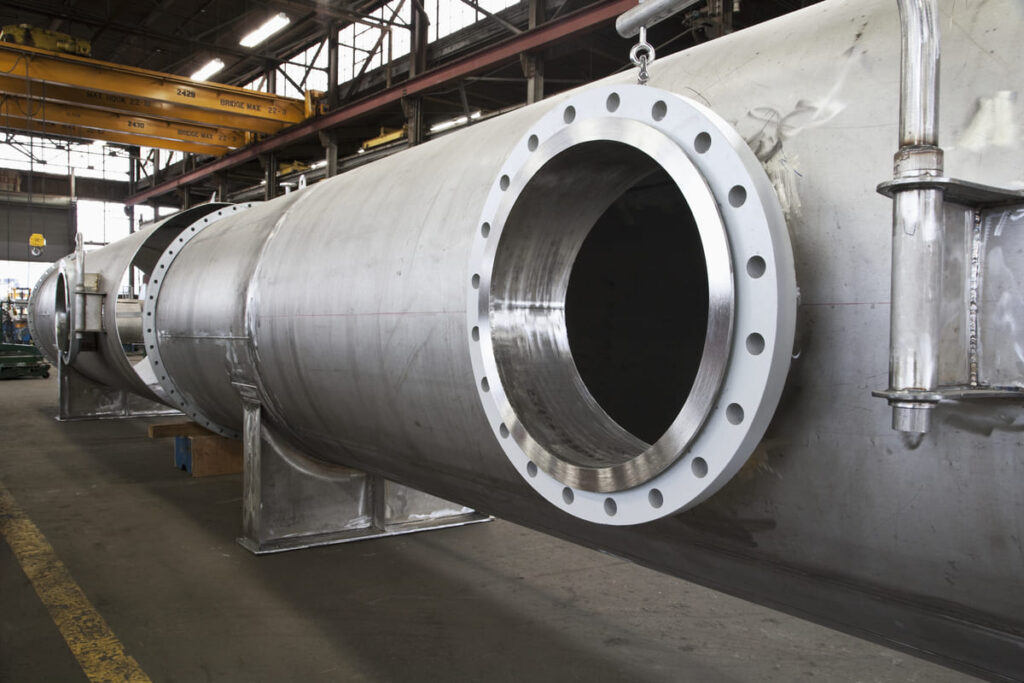
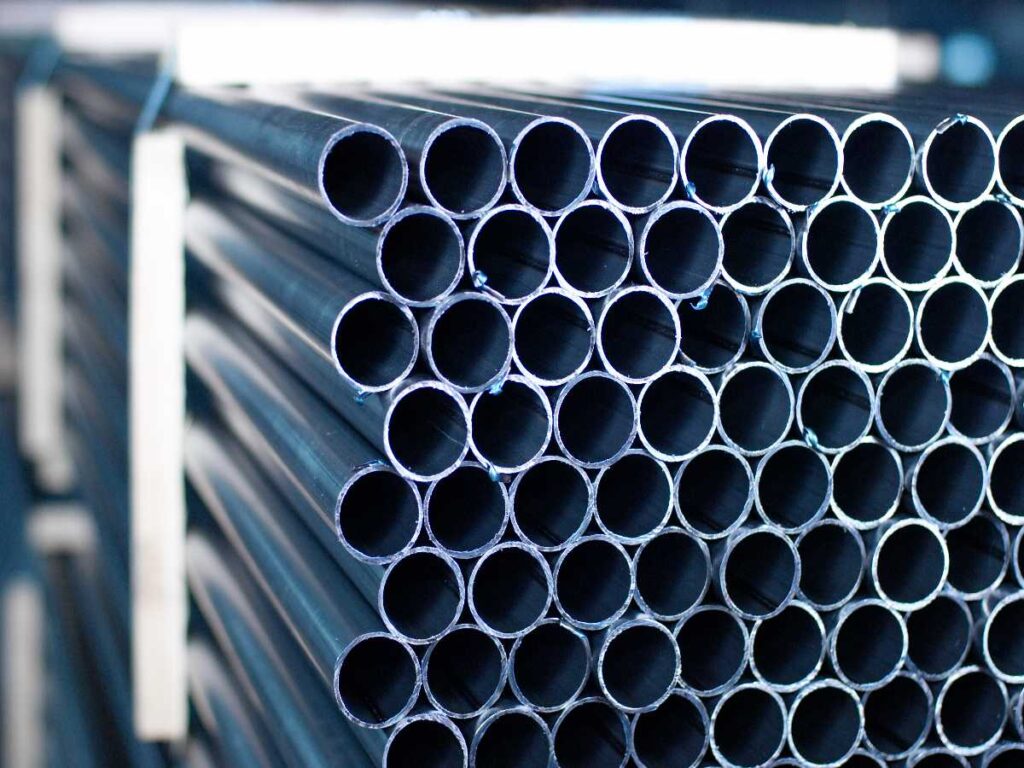
At their core, carbon steel pipes are cylindrical tubes designed primarily from an alloy with carbon as its major component. Their unique composition is characterized by carbon combined with iron, making them distinct in strength and flexibility. This melding of elements results in a robust and versatile material serving various applications in various industries. Not […]
06
Oct
Oct
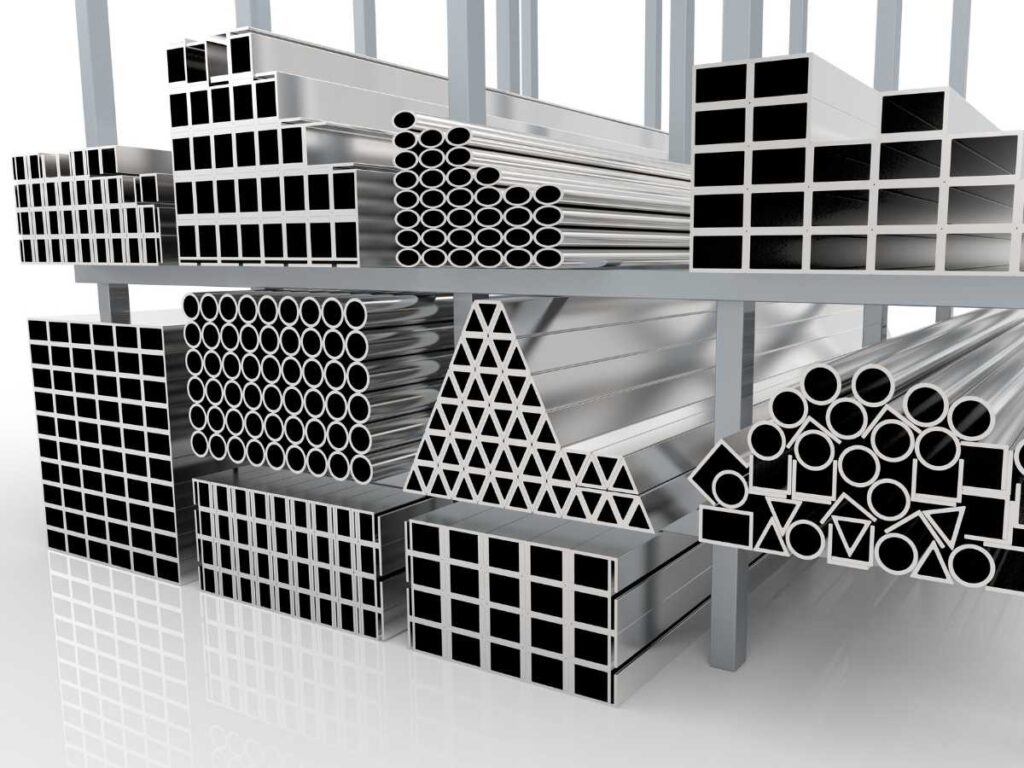
Stainless steel bars are forged from a blend of primarily iron, complemented by chromium, nickel, and carbon elements. This specialized mix not only endows these bars with resilience against rust and corrosion but also ensures their ability to withstand various environmental conditions. Industries across the globe have acknowledged and capitalized on these inherent qualities. Whether […]
27
Sep
Sep
Stainless steel bars and carbon steel bars are the backbone of many projects, from towering skyscrapers to intricate machinery. While both materials appear similar to the untrained eye, their distinct chemical compositions yield a range of unique properties. Stainless steel is celebrated for its corrosion resistance, attributed to the presence of chromium, which forms an […]
24
Sep
Sep
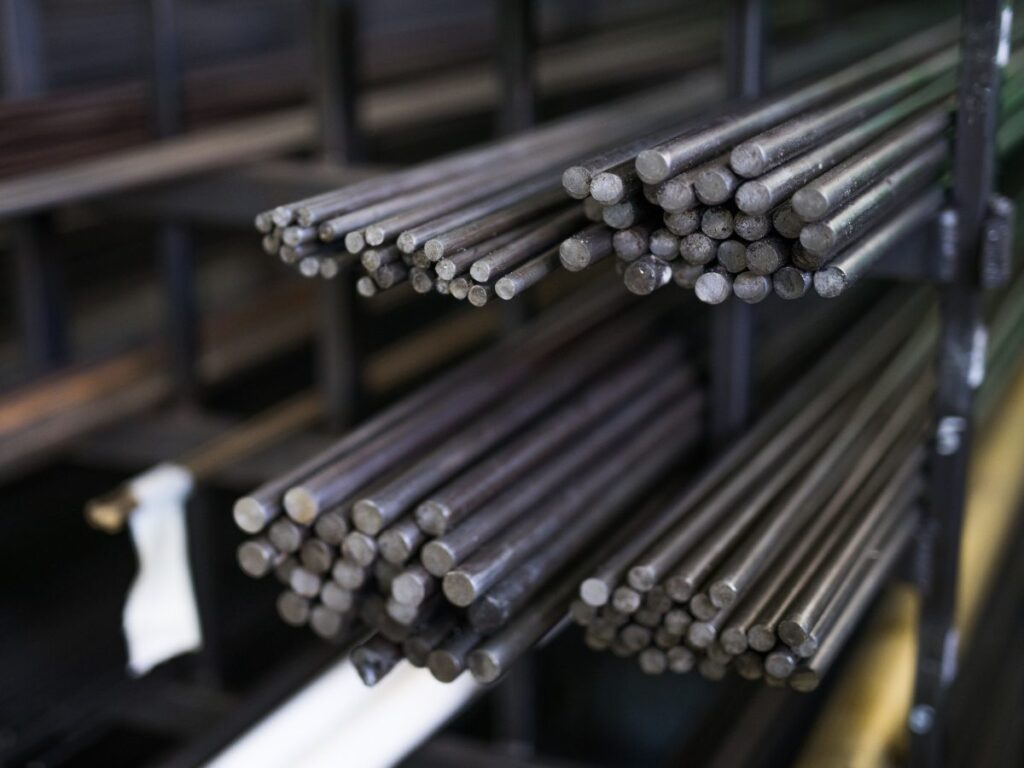
Carbon steel bars are elongated products made primarily of carbon and iron, featuring varying amounts of carbon content. They are distinguished from other steel bars by their increased tensile strength, durability, and malleability. It is manufactured through several processes, including hot rolling, cold rolling, and forging, influencing their final characteristics and applications. Tracing back to […]
24
Sep
Sep
Alloy steel is a type of steel that includes elements aside from iron and carbon. These additional elements boost specific characteristics, such as strength, flexibility, or corrosion resistance. These elements range from chromium, nickel, and molybdenum to vanadium. The proportion of these alloying elements can be manipulated to produce steel with desired properties for particular […]
15
Sep
Sep
Before we get into the prevention methods, it’s best to understand the enemy: rust. Rust, scientifically known as iron oxide, is a corrosion process that happens when iron or steel comes into contact with oxygen and moisture. This chemical reaction gradually breaks the metal’s surface, compromising its structural integrity and aesthetic appeal. To effectively prevent […]
08
Sep
Sep
Stainless steel pipes are a highly versatile material characterized by its resistance to corrosion and rust. Developed in the early 20th century, it has become a primary material used in various industries, from construction to medical equipment. The alloy primarily consists of iron, chromium, and other elements like nickel and molybdenum, contributing to its distinct […]
08
Sep
Sep
The facts about steel makes it an amazing material in many applications, from constructing skyscrapers and bridges to crafting kitchen utensils. But, beyond its high tensile strength and cost-effectiveness, steel possesses unique properties and a fascinating history that often goes unnoticed. While most people know that steel is an alloy primarily made of iron and […]

01
Sep
Sep
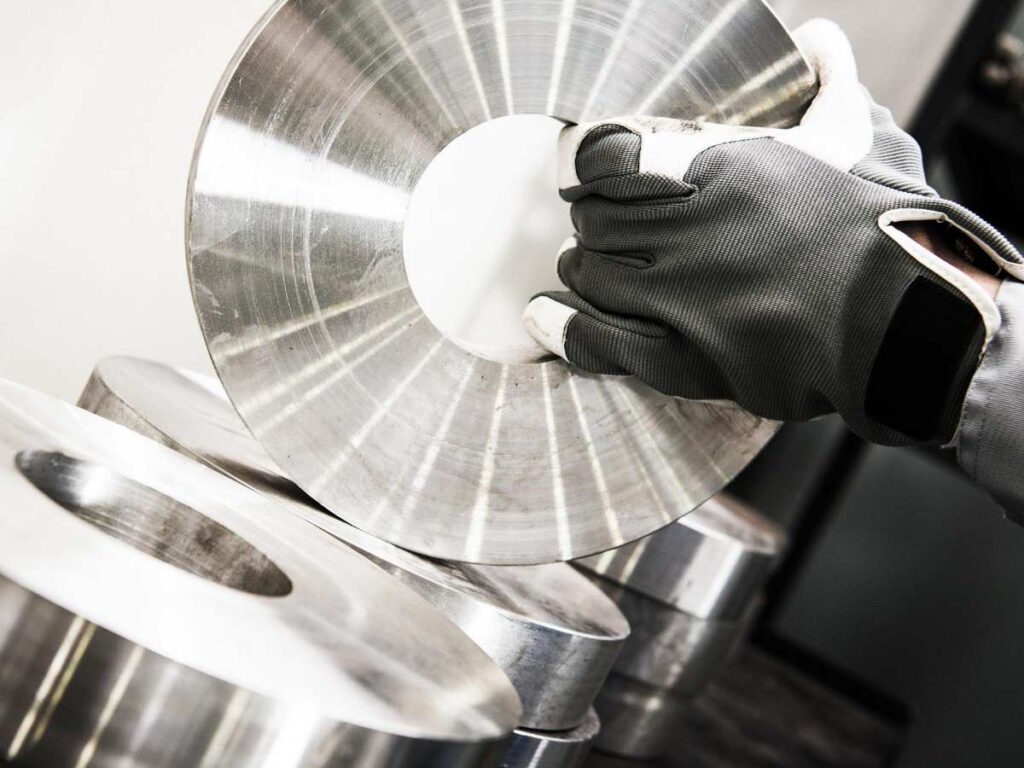
Structural steel products form the foundation of various sectors, including construction, automotive, and infrastructure development. Its popularity stems from its strength, durability, and versatility. Structural steel often leads to cost-efficient projects with high structural integrity, making it a sought-after material. Material Grade Carbon Steel Carbon steel is primarily composed of iron and carbon and is […]
18
Aug
Aug
The Green Steel Revolution represents a transformative shift in the world of metallurgy. It is the innovative move towards producing steel that reduces its carbon footprint, harnesses renewable energy, and employs more sustainable materials and processes. The significance of transitioning to sustainable steel production cannot be overstated. Steel, being one of the most widely used […]